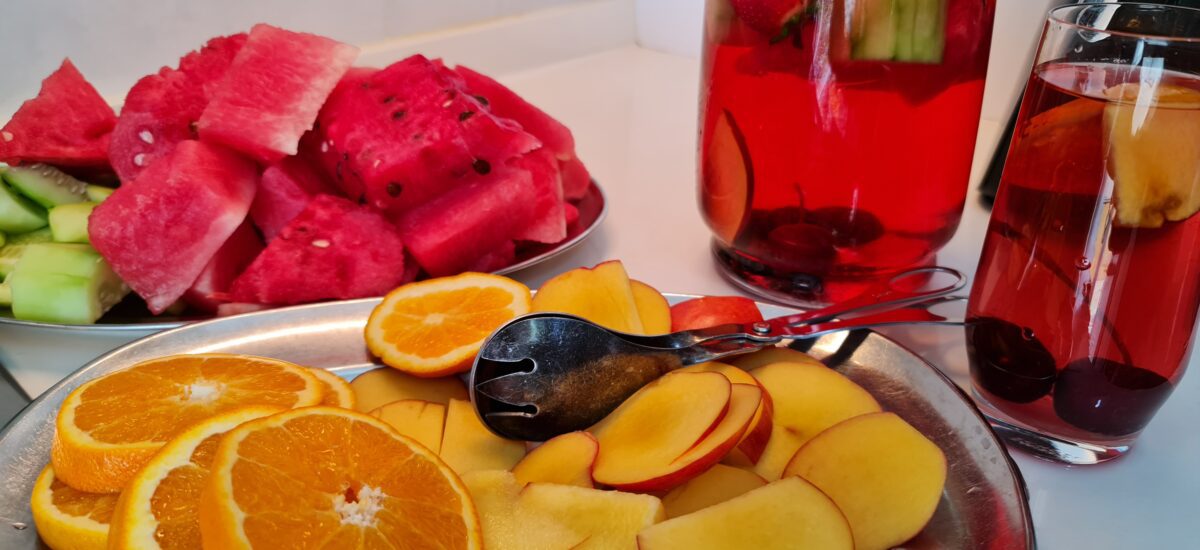
Can you get “drunk” for the right reasons? In my case, I mean falling in love with a good cup of tea.
My love for teas and infusions truly blossomed during a trip to Poznań, Poland. After dinner, my brother and his wife served a simple brew with lemon peel and a little honey. Nothing fancy—just warm, fragrant, and unforgettable. That cup stayed with me… and I was hooked. It got me thinking about tea vs. herbal infusion, and the differences between the two.
Poland introduced me to a whole world of flavours: fruity blends, floral notes, deep earthy teas, and cozy caffeine-free infusions. When I got back home to Lisbon, I started experimenting right away—lemon zest, orange rind, lime and grapefruit peel, and sometimes a squeeze of citrus juice to brighten everything up.
- The difference between tea and herbal infusions (tisanes)
- The main types of tea (black, green, white, oolong, pu-erh)
- Simple, everyday ways to make your cup taste more exciting
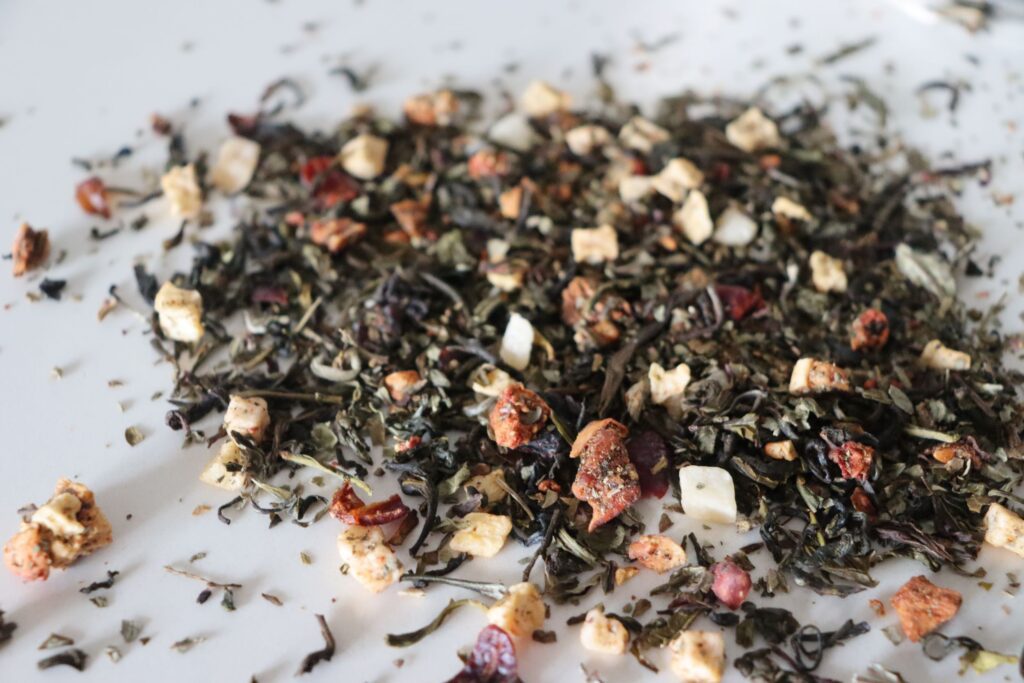
Oolong Tea
Oolong sits between green and black tea in terms of oxidation, although the range within this category is wide.
Some varieties taste floral and light; others are richer or more roasted. Their brewed colours vary too.
You may see oolong described as “blue tea” or “blue-green tea,” but it does not usually brew blue. It is also different from blue butterfly-pea flower infusions.
Oolong is another tea I have enjoyed discovering as my tastes have expanded.
Easy Ways to Flavour Tea (My Favourites)
One of my favourite things about tea is how easily you can experiment with flavour.
Depending on the blend, try:
-
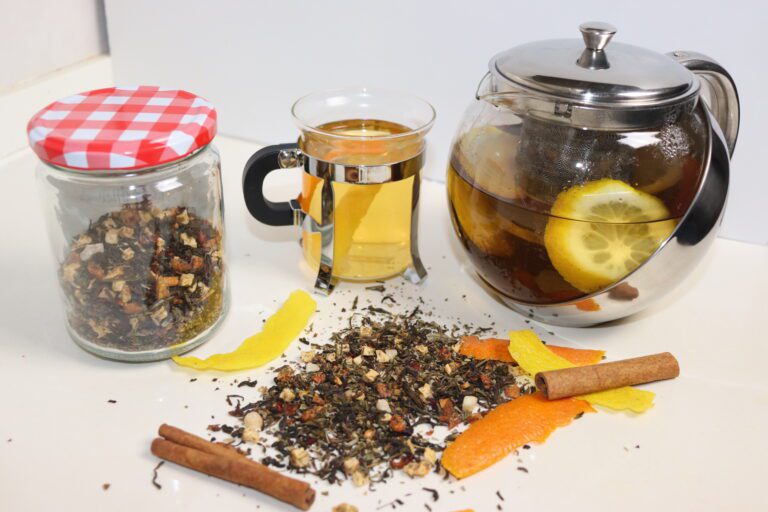
A little well-washed lemon or orange peel.
-
Fresh fruit or a squeeze of citrus juice.
-
Milk or a suitable plant-based alternative.
-
A small amount of honey or another sweetener, if you enjoy it.
-
Culinary herbs and spices such as mint or cinnamon.
Start with one addition at a time so you can taste the difference. Some teas are lovely on their own, while others welcome a little extra flavour.
There are so many ways to enjoy tea. Explore different varieties and discover which blends you enjoy most.
Affiliate disclosure: I may earn a commission if you purchase through the image below.
Herbal and Fruit Infusions to Try
Herbal infusions offer a whole other world of colour and fragrance.
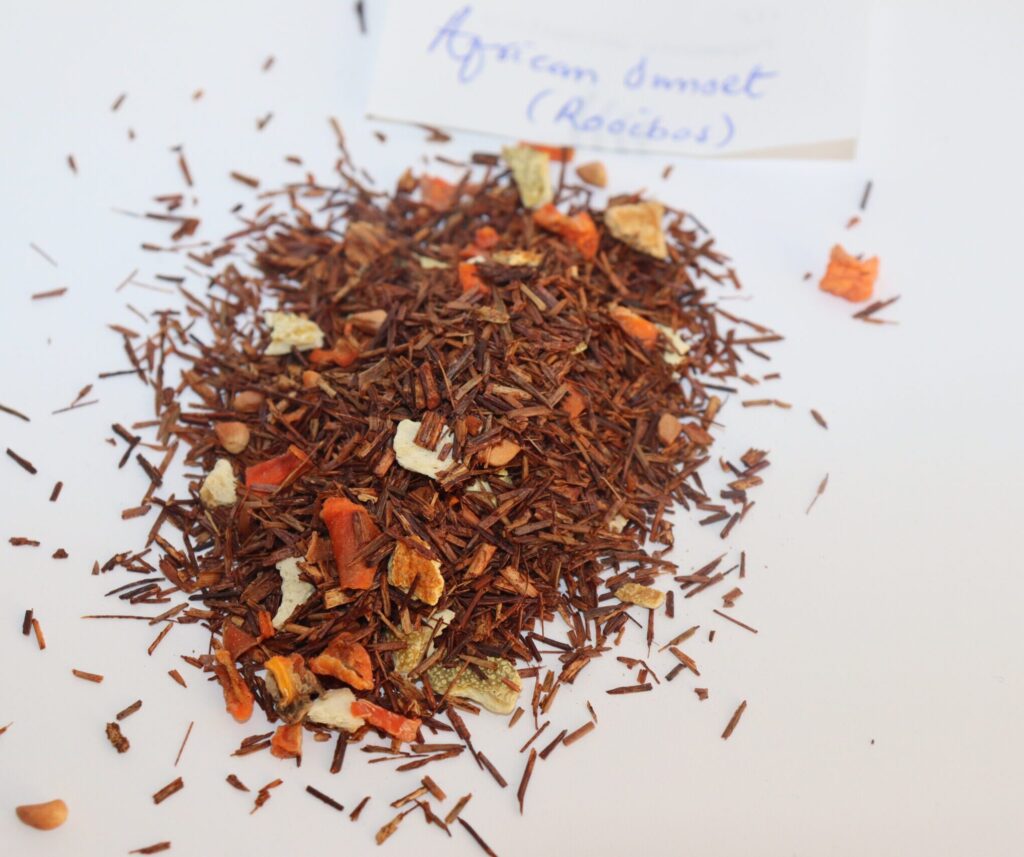
Rooibos, peppermint, chamomile and fruit blends each bring something different to the cup. Depending on their ingredients, they can taste earthy, floral, refreshing, tart or naturally sweet.
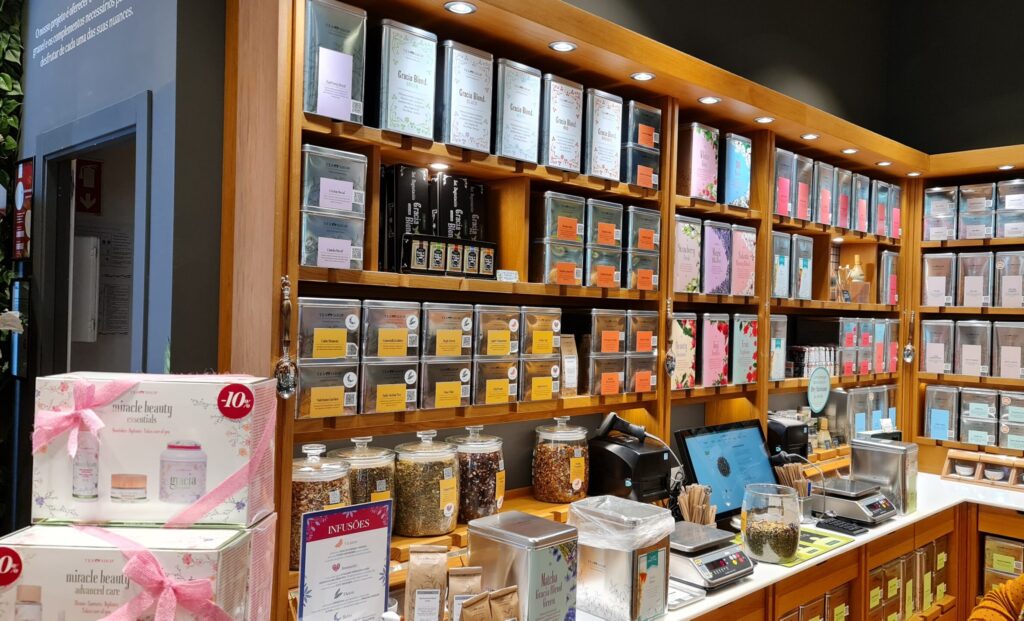
I have enjoyed browsing TEA SHOP for teas and infusions in Portugal. The photograph in this post was taken at its Vasco da Gama Shopping location in Lisbon during my visit.
Whether you shop locally or online, read the ingredients and brewing instructions. “Herbal” does not mean every blend suits everyone, particularly during pregnancy or when taking medication.
Hot or Iced?
A warm cup is comforting, but tea and infusions can also be refreshing served cold.
Brew according to the packet instructions, allow the drink to cool, and refrigerate it in a clean, covered jug. Add citrus slices or fresh mint shortly before serving for another layer of flavour.
Tea can contribute to your daily fluid intake. I enjoy it as part of my routine—not as a cleanse or a promise of better health.
How to use Tea in Baking
Tea can be an interesting flavour ingredient in cakes and other bakes.
One approach is to steep food-grade tea or an infusion in the warm milk already called for in a recipe. Strain it, let it cool as needed, and measure the required amount before adding it.
The flavour will depend on the blend and its strength. Start with a small experiment rather than changing several ingredients at once.
Use ingredients intended for consumption, and remember that a tea containing caffeine may also introduce caffeine into the bake.
Final Thougts: Find Your Favourite Cup
For me, tea is about more than what is in the mug. It brings back memories of family, travel and that first lemon-and-honey brew in Poland.
Some days I want a familiar black tea. Other days, I reach for a fruity infusion or try something new.
There is no need to promise a miracle in a cup. A flavour you love and a moment to enjoy it are good enough reasons to put the kettle on.
What is your favourite tea or infusion—and what do you like to add to it? Tell me in the comments.
Tea or Infusion: What’s the Difference?
True teas—black, green, white, oolong and pu-erh—come from the same plant: Camellia sinensis. The difference comes from how the leaves are processed, which affects colour, aroma and flavour.
Types of Tea (From Camellia Sinensis)
Black Tea
Black tea is a familiar favourite, enjoyed plain or with milk. English Breakfast is one well-known black tea blend, rather than another name for all black tea.
Its leaves undergo substantial oxidation, helping produce the darker colour and fuller flavour associated with many black teas.
For me, black tea has an “arise and shine” personality. It is the kind of cup I associate with breakfast or a pause in a busy morning.
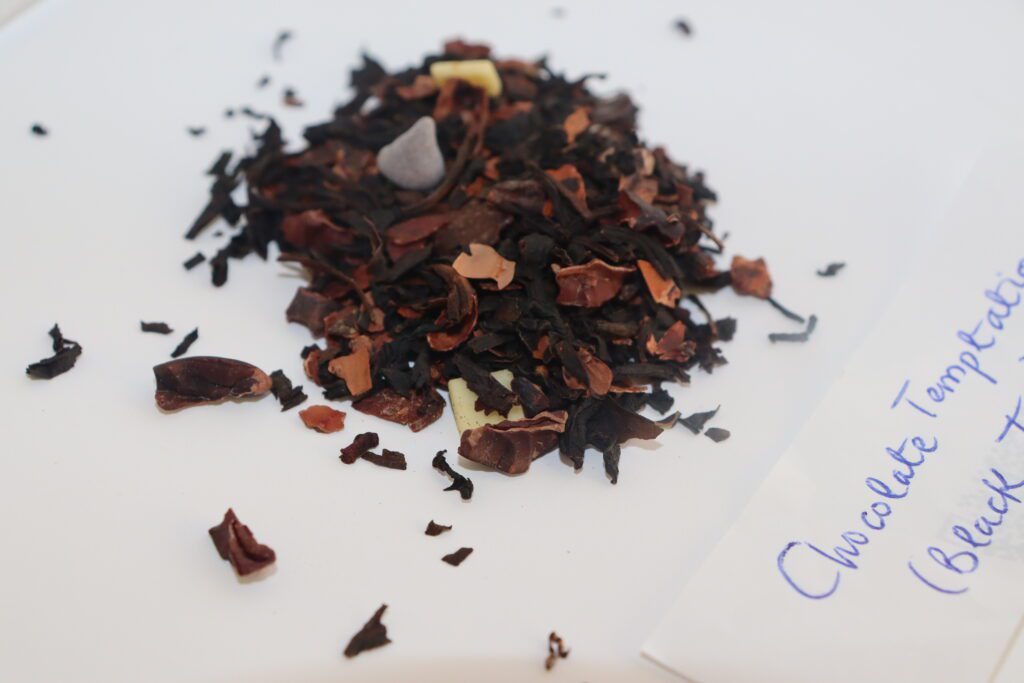
Chocolate-flavoured black tea is another variety I have enjoyed. Exploring flavoured blends can be a lovely way to discover something beyond your usual cup.
Black tea contains caffeine, so consider your own sensitivity when deciding when to drink it.
Green Tea
Green tea offers a different flavour experience, ranging from fresh and grassy to mellow or lightly toasted, depending on the variety.
The leaves are heated during processing to limit oxidation. When brewed, the drink may appear pale yellow or green.
I prefer to enjoy green tea for its taste rather than treat it as a weight-loss solution or a remedy. It contains caffeine, and a delicate flavour does not necessarily mean a caffeine-free drink.
Follow the brewing instructions on your packet. Water temperature and steeping time can make a noticeable difference to the flavour.
Pu-erh Tea
Pu-erh is associated with Yunnan, China, and is known for its distinctive processing and often earthy character.
Some varieties brew into a deep reddish-brown cup. You may encounter the name “red tea,” but that label can be confusing: in other contexts, it is also used for rooibos, an entirely different plant.
Checking the actual ingredients is more useful than relying on colour alone.
Pu-erh contains caffeine. As with other teas, the amount varies with the product and how it is brewed.
White Tea
White tea often has a delicate appearance and a subtle flavour. It is generally lightly processed, using young leaves and buds.
I enjoy its gentle character, particularly in blends with fruit pieces.
However, white tea is not automatically low in caffeine. Its caffeine content varies, so I would not choose it for bedtime simply because the brewed colour looks pale.
Oolong Tea
Oolong sits between green and black tea in terms of oxidation, although the range within this category is wide.
Some varieties taste floral and light; others are richer or more roasted. Their brewed colours vary too.
You may see oolong described as “blue tea” or “blue-green tea,” but it does not usually brew blue. It is also different from blue butterfly-pea flower infusions.
Oolong is another tea I have enjoyed discovering as my tastes have expanded.
Easy Ways to Flavour Tea (My Favourites)
One of my favourite things about tea is how easily you can experiment with flavour.
Depending on the blend, try:
-
A little well-washed lemon or orange peel.
-
Fresh fruit or a squeeze of citrus juice.
-
Milk or a suitable plant-based alternative.
-
A small amount of honey or another sweetener, if you enjoy it.
-
Culinary herbs and spices such as mint or cinnamon.
Start with one addition at a time so you can taste the difference. Some teas are lovely on their own, while others welcome a little extra flavour.
There are so many ways to enjoy tea. Explore different varieties and discover which blends you enjoy most.
Affiliate disclosure: I may earn a commission if you purchase through the image below.
Herbal and Fruit Infusions to Try
Herbal infusions offer a whole other world of colour and fragrance.
Rooibos, peppermint, chamomile and fruit blends each bring something different to the cup. Depending on their ingredients, they can taste earthy, floral, refreshing, tart or naturally sweet.
I have enjoyed browsing TEA SHOP for teas and infusions in Portugal. The photograph in this post was taken at its Vasco da Gama Shopping location in Lisbon during my visit.
Whether you shop locally or online, read the ingredients and brewing instructions. “Herbal” does not mean every blend suits everyone, particularly during pregnancy or when taking medication.
Hot or Iced?
A warm cup is comforting, but tea and infusions can also be refreshing served cold.
Brew according to the packet instructions, allow the drink to cool, and refrigerate it in a clean, covered jug. Add citrus slices or fresh mint shortly before serving for another layer of flavour.
Tea can contribute to your daily fluid intake. I enjoy it as part of my routine—not as a cleanse or a promise of better health.
How to use Tea in Baking
Tea can be an interesting flavour ingredient in cakes and other bakes.
One approach is to steep food-grade tea or an infusion in the warm milk already called for in a recipe. Strain it, let it cool as needed, and measure the required amount before adding it.
The flavour will depend on the blend and its strength. Start with a small experiment rather than changing several ingredients at once.
Use ingredients intended for consumption, and remember that a tea containing caffeine may also introduce caffeine into the bake.
Final Thougts: Find Your Favourite Cup
For me, tea is about more than what is in the mug. It brings back memories of family, travel and that first lemon-and-honey brew in Poland.
Some days I want a familiar black tea. Other days, I reach for a fruity infusion or try something new.
There is no need to promise a miracle in a cup. A flavour you love and a moment to enjoy it are good enough reasons to put the kettle on.
What is your favourite tea or infusion—and what do you like to add to it? Tell me in the comments.
Discover more from Simply Oby
Subscribe to get the latest posts sent to your email.